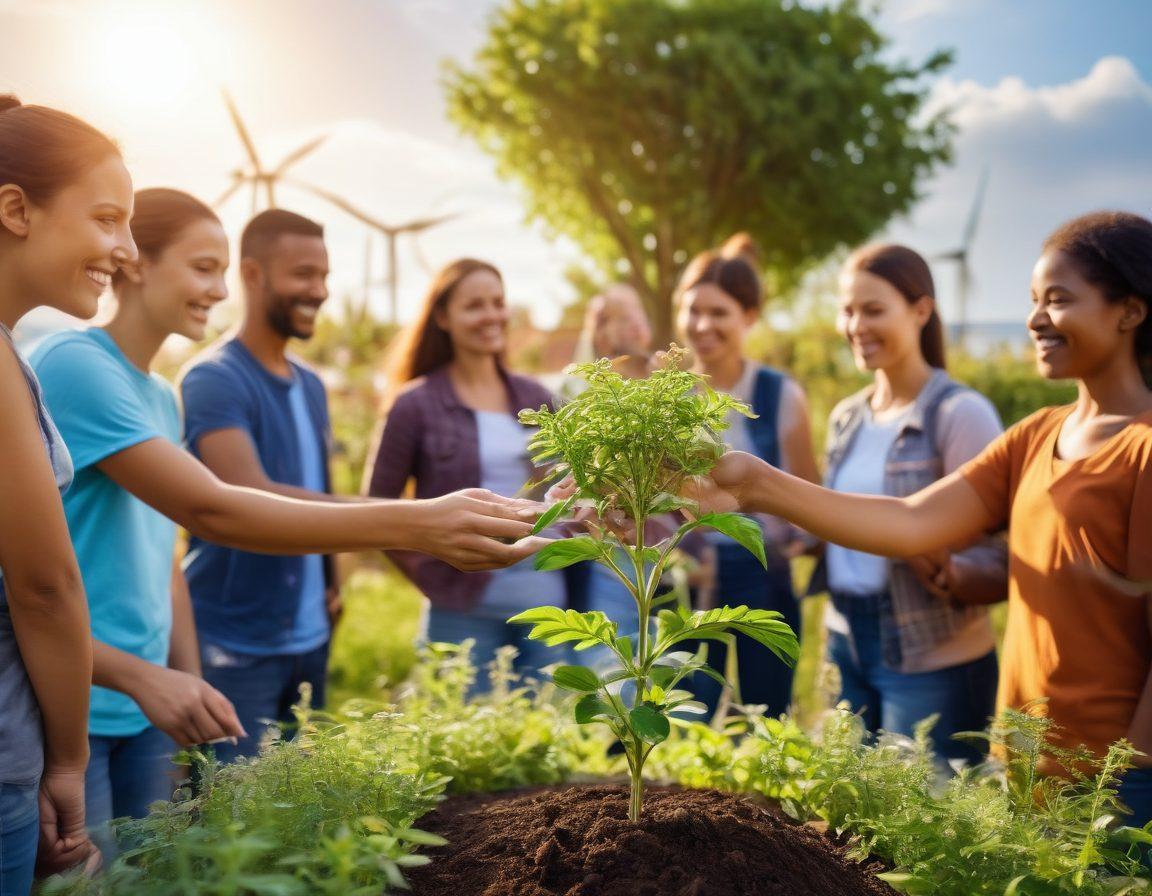
Empowering Cancer Survivorship: Strategies for Healthy Living and Resilient Mindsets
Navigating life after cancer is a journey that is both challenging and liberating. Imagine waking up one morning, feeling that elusive sense of normalcy, yet acutely aware that your life is now divided into 'before' and 'after' your cancer diagnosis. The term 'cancer survivorship' encompasses so much more than just enduring treatment; it's about reclaiming your life, embracing new habits, and fostering a mindset of resilience. As you step into this new chapter, it's essential to embrace wellness and mental strength, using them as your compass to navigate the often tumultuous waters of post-cancer life.
Let's face it: the road to recovery is not a straight path. The aftermath of oncology treatments like chemotherapy, radiation therapy, or immunotherapy often leaves physical and emotional scars. It's important to ask yourself, "What does my new normal look like?" Consider how your lifestyle may shift, whether focusing on fitness and nutrition or seeking psychosocial support through community resources. Remember, the more you recognize the importance of symptom management and self-care, the better equipped you'll be to thrive in your post-cancer life.
A significant part of this journey involves tapping into various healthcare avenues. Whether it's engaging with clinical research for cutting-edge therapies or embracing holistic wellness practices, your journey is unique. Have you thought about how nutritional support plays a role in your wellness strategy? Incorporating healthy eating habits can bolster your immune system, enhance your energy levels, and even ease the side effects of treatment. According to a success story from a cancer survivor, adopting a balanced diet transformed their recovery, empowering their body and spirit.
True resilience is often about advocacy—both for yourself and for others within the cancer community. One powerful question to ponder is: How can I contribute to illness awareness and preventive measures, especially regarding common risk reduction practices? By becoming an advocate for screening and effective palliative care options, you not only help yourself but educate others. By sharing your journey, you can inspire fellow survivors—like the pediatric cancer patient whose brave fight led to a local fundraising effort that raised thousands for research.
In wrapping up this exploration of post-cancer life, reflect on the importance of your mindset. Every day presents a new opportunity for growth, healing, and connection. Lean on community and educational resources to understand the psychological aspects of recovery, and embrace the power of storytelling as a means of connection. As you navigate the nuances of cancer survivorship, remember that with every step forward you take, you are not just surviving—you're thriving. In the words of a wise survivor, "Healing is not the absence of illness, but the presence of living well."
From Treatment to Triumph: Key Strategies for Lasting Health Post-Diagnosis
Transitioning from cancer treatment to a life of health and fulfillment is a journey filled with challenges and victories. In the realm of oncology, where tumors and malignancies are often the central focus, it’s vital for cancer survivors to grasp the keys to thriving in their post-diagnosis lives. Every survivor knows that their battle with illness extends far beyond the clinical research and the chemotherapy sessions. It’s a holistic journey often characterized by the need for emotional resilience, lifestyle changes, and embracing fitness. How can survivors transform their stories from treatment to triumph?
One of the most powerful strategies for lasting health post-diagnosis involves embracing healthy living. Survivors ought to explore the wonders of nutritional support; a well-balanced diet rich in antioxidants, vitamins, and essential nutrients can boost the immune system and aid in symptom management. It might feel daunting to change eating habits, especially after experiencing the effects of radiation therapy or immunotherapy. Yet, the journey toward a more vibrant life begins with one small step toward better food choices. As the saying goes, 'You are what you eat,' and for cancer survivors, making informed dietary choices is a potent act of self-care and empowerment.
In addition to nutritional adjustments, integrating fitness into daily routines is crucial for cancer survivorship. Physical activity doesn’t just enhance physical strength; it plays a significant role in psychological well-being, too. Participating in light exercises or joining a fitness class can provide structure and camaraderie — fostering community support among survivors. Have you ever heard the phrase, 'Movement is medicine'? It’s particularly resonant for those who have faced the challenges of illness. Encourage the body to heal while embracing fitness; every stride taken in the park or session in yoga symbolizes resilience and tenacity.
Furthermore, the journey from treatment to triumph cannot be complete without addressing the importance of psychosocial support. Navigating the emotional landscape after a cancer diagnosis can be tough, and connecting with fellow survivors through community resources or support groups is essential. Sharing success stories and experiences can instill hope and motivation. Survivors can become advocates for each other, exploring alternative medicine alongside traditional therapy or highlighting research on risk reduction and illness awareness. How much strength can be found in simply sharing your story?
Finally, leveraging educational resources and community support can empower survivors to take charge of their health continually. One should never underestimate the value of advocacy! Whether it’s seeking out information on pediatric cancer for a family member, men's and women’s health initiatives, or finding practical techniques to foster holistic wellness, the knowledge gained can be transformative. Post-cancer living is not just about managing symptoms or attending screenings; it’s about crafting a lifestyle that honors one’s resilience and joy. Take your triumph to heart — it’s an ongoing journey worth celebrating.
Building a Resilient Future: Community Support and Lifestyle Choices for Survivors
In the wake of a cancer diagnosis, life often feels like a whirlwind, with emotions, treatments, and a barrage of decisions clouding the path ahead. It is in these moments that community support and lifestyle choices become vital lifelines for cancer survivors. Just imagine standing at the edge of a daunting mountain, the summit representing a resilient future. With the right tools and allies by your side, that summit is conquerable. This blog post explores how nurturing connections and making informed lifestyle choices can empower cancer survivors in their journey towards healing and thriving. After all, it's not just about surviving; it's about building a life filled with vitality and hope post-illness.
At the heart of cancer survivorship lies the undeniable power of community resources. Think of them as a safety net, designed to catch individuals when they feel most vulnerable. Whether it's local support groups, online forums, or advocacy organizations, connecting with others who truly understand the journey is invaluable. Clinical research has showed time and again that patients who actively engage with support networks experience better outcomes, including improved mental health and symptom management. When facing adversity, remember this powerful quote: 'We rise by lifting others.' Each survivor’s story is a thread in the tapestry of resilience, and by sharing experiences, we foster hope for those who follow us on this difficult path.
In parallel with community support, making proactive lifestyle choices profoundly affects cancer survivorship. Incorporating elements of fitness and nutritional support into daily routines can act as a buoy in turbulent waters. Regular screenings can reduce the risk of recurrence, making them an essential aspect of post-treatment life. Survivors often wonder, how can I reclaim my health? The answer lies in simple yet impactful choices: choosing a colorful plate brimming with vegetables, embracing regular exercise, or practicing mindfulness through holistic wellness techniques. These decisions may seem small, but they contribute to an army of defenses against malignancy, bolstering both physical and emotional resilience.
When it comes to psychosocial support, engaging in open dialogues about feelings and fears is vital. The battle with cancer can leave deep psychosomatic scars; therefore, accessing therapy or alternative medicine can be just as crucial as adhering to chemotherapy or radiation therapy. Survivors should ask themselves—what activities make me feel alive? That could mean starting a yoga class, journaling, or even volunteering in cancer advocacy groups. By exploring self-care strategies and indulging in personal passions, survivors can cultivate an enriching lifestyle that reiterates their commitment to wellbeing.
Lastly, let’s remember the power of educational resources in building a supportive future for survivors. The more informed we are about our journey—knowing viable options like immunotherapy or understanding palliative care—the more empowered we feel. Take the time to seek out materials that resonate with you. Whether it’s success stories you can relate to or research on the latest treatment methods, knowledge can flip the narrative from fear to empowerment. This journey is not merely about fighting an illness but embracing a vibrant existence that transcends cancer, holding onto the belief that each day is a new opportunity to thrive.